


Extra drones in place until April as use of SharkSmart app surges
On 25 January, the NSW Government announced a $4.2 million expansion to improve shark safety.
The announcement came one week after a 12-year-old boy was bitten by a shark in Vaucluse. He has since died. In that same week, a shark bit the board of an 11-year-old surfer in Dee Why and 27-year-old Andre De Luyter was seriously injured by a shark bite in North Steyne.
The Department of Primary Industries (DPI) told PL that its SharkSmart app was downloaded over 8,500 times between 18 and 23 January and experienced a usage surge of about 50 times the normal levels on 20 January.
NSW Minister for Agriculture Tara Moriarty said that the incidents following heavy rainfall had ‘highlighted the importance of clear, practical information for people using the water.’
“This funding will help expand drone surveillance, improve education, and ensure timely warnings, so swimmers and surfers can make informed decisions about when to enter the water,” said Ms Moriarty. “There’s no single solution, and no government can ever promise to make the water completely safe, which is why we’re using a range of tools to keep people informed and as safe as possible.”
Extra drones will fly at 30 additional locations seven days a week until the end of the April school holidays. Locations on the Beaches include North Steyne (covering North Steyne, Manly and Queenscliff), Freshwater Headland (covering Freshwater, North and South Curl Curl), Collaroy (covering Collaroy and Fishermans), North Narrabeen (covering Turimetta and Narrabeen), Mona Vale (covering Mona Vale and Warriewood), Avalon/Bilgola Headland (covering Avalon, Bilgola, Newport).
Surf Life Saving NSW CEO Steve Pearce said the boost was a 90% increase on the shark surveillance drone program.
“So far (over summer), 50 Surf Life Saving NSW drones have completed 29,431 flights over 8,044 flying hours. During that time 461 sharks were sighted,” Mr Pearce said.
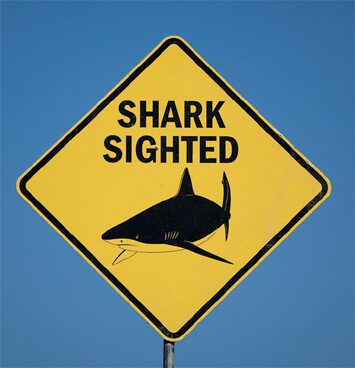

“Our lifeguards and lifesavers enacted 170 countermeasures including beach evacuations, beach siren, drone siren, and rescue vessels.”
The government will also undertake research on bull sharks in Sydney Harbour and other estuaries, including tagging and monitoring, to build a clearer picture of where bull sharks are, how they move and when risks are higher, particularly after significant weather events. Improved understanding would support better awareness for swimmers, clearer warnings and more practical advice for swimmers, the government said.
An expanded SharkSmart education campaign, an additional mobile education van, new and updated signage, and increased social media alerts and community warnings during periods of elevated risk were also planned to strengthen community awareness.
Current measures include SMART (Shark Management Alert in Real Time) drumlines, Shark nets and tracking tagged sharks via listening stations.


